A fence can solve a very specific problem: a backyard that feels exposed, a business perimeter that needs control, or a property line that is no longer clearly defined. When comparing a privacy fence versus chain link, the better choice is not simply the one with the lower initial price. It is the one that performs the job your property needs it to do for years to come.
For homeowners in League City, Friendswood, Clear Lake, and surrounding Houston-area communities, that decision often comes down to privacy, appearance, security, maintenance, and local weather conditions. Both fence types have a place. The right fit depends on how you use the property and what you want the fence to accomplish.
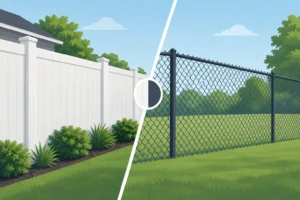
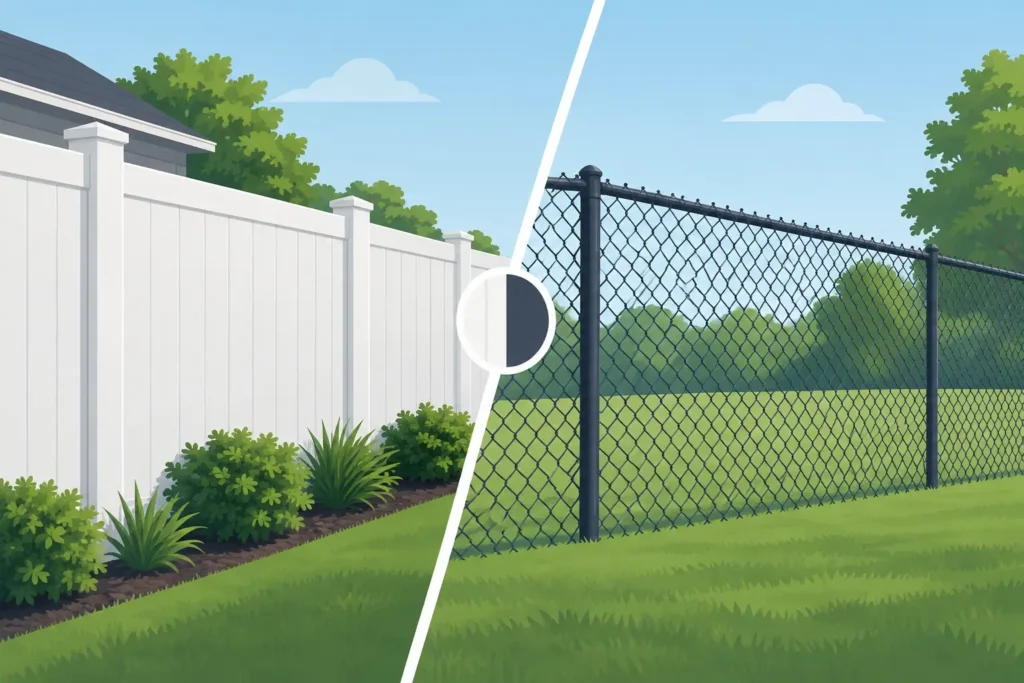
Privacy Fence Versus Chain Link: The Main Difference
A privacy fence creates a solid visual barrier. Most residential privacy fences are built with wood boards, though vinyl, composite, and certain metal panel systems can also provide full coverage. It is designed to block sightlines, define outdoor living areas, reduce visual distractions, and give a property a more finished appearance.
Chain link fencing uses woven steel wire fabric attached to metal posts and rails. It creates a durable boundary while preserving visibility and airflow. It is commonly used around yards, commercial properties, sports areas, construction sites, dog runs, and larger lots where containment matters more than screening.
Neither option is automatically better. A solid wood privacy fence may be ideal around a pool or patio, while chain link can be the more practical choice for a large side yard, warehouse perimeter, or ranch gate area. The decision becomes clearer when you compare each fence against your primary goal.
Privacy, Appearance, and Property Enjoyment
Privacy is where a solid fence has the clear advantage. A properly built privacy fence blocks direct views into a backyard, helping families enjoy patios, pools, play areas, and outdoor gatherings without feeling on display. It can also conceal equipment, storage areas, or an unattractive neighboring view.
Wood privacy fencing offers considerable design flexibility. Board orientation, top profiles, post caps, stain color, decorative trim, and gate style can be selected to complement the home. For many homeowners, this makes the fence part of the property’s curb appeal rather than just a boundary line.
Standard chain link does not provide visual privacy by itself. It is open by design, which is useful when visibility is needed but not when a homeowner wants a secluded outdoor space. Privacy slats, windscreens, or landscaping can improve screening, but these additions change the cost, appearance, and wind load on the fence.
Chain link has a clean, practical look that suits many commercial and functional applications. Black vinyl-coated chain link can provide a more polished appearance than galvanized steel and can blend well with landscaping. Still, it rarely creates the warm, enclosed look of a custom privacy fence.
Security and Visibility Serve Different Needs
A fence improves boundary security, but the type of security matters. A privacy fence makes it harder for passersby to see into the property. That can discourage casual attention and help protect personal space. Its solid construction can also make access more difficult when paired with a well-built, properly latched gate.
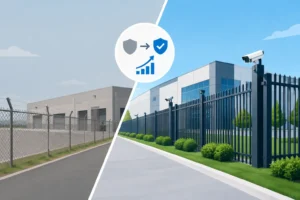
However, a solid fence also limits visibility from inside the property and from the street. For some commercial sites, parking areas, storage yards, and side access points, property owners prefer an open fence because staff, cameras, and neighbors can see activity through it.
Chain link is often the practical security choice for large perimeters. It is difficult to cut through without tools, can be built at greater heights, and works well with access-control gates. Added features such as heavier-gauge wire, bottom tension wire, barbed wire where appropriate, and privacy screening can increase its security performance.
For a residential backyard, the answer may be different. If children or pets need a secure enclosed area and privacy is also a priority, a privacy fence often provides the more complete solution. If the main concern is simply containing a dog or marking a large boundary at a manageable cost, chain link may be enough.
Initial Cost and Long-Term Value
Chain link is often less expensive to install than a wood privacy fence, especially over long distances. It requires fewer materials to create a functional enclosure, and its open design generally uses less labor than closely spaced privacy boards. This makes it attractive for large yards, commercial lots, and properties with extensive boundary lines.
A privacy fence usually costs more because it requires more lumber or panel material, more detailed installation, and stronger consideration of wind pressure. Gates, decorative features, taller heights, and premium wood species can add to the investment. Yet a well-designed privacy fence can deliver value in ways that are hard to measure only by the linear foot, including better outdoor usability, stronger curb appeal, and a more appealing backyard for future buyers.
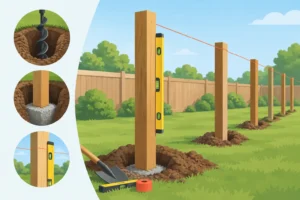
The lowest quote is not always the lowest lifetime cost. Posts set too shallowly, undersized framing, weak gate construction, and poor drainage planning can lead to leaning sections and premature repairs. Quality materials and skilled installation matter for both fence types, particularly along the Texas Gulf Coast where moisture, heat, storms, and shifting soil can challenge any structure.
Maintenance in Houston-Area Weather
Wood privacy fencing needs periodic care. Sun exposure can dry and fade boards, rain and humidity can contribute to warping or mildew, and insects can damage unprotected wood. Staining or sealing on an appropriate schedule helps preserve the material and maintain its appearance. Individual boards can often be replaced when damage occurs, which is a practical advantage over some panel systems.
Chain link is lower maintenance, particularly when it uses galvanized or vinyl-coated steel. It does not need staining, and it is less affected by normal moisture exposure than wood. Property owners should still inspect for bent fabric, loose ties, corrosion at damaged coatings, leaning posts, and gate issues. Small repairs handled early can keep the fence serviceable for a long time.
Wind is a major consideration for solid privacy fencing. Because the fence catches more wind than open chain link, post depth, post spacing, rail placement, and overall construction quality are essential. A privacy fence should be built for the conditions it will face, not just to look good on installation day.
When Chain Link Is the Better Choice
Chain link is often the right answer when function, visibility, and budget take priority over appearance. It works especially well for commercial perimeters, equipment areas, dog enclosures, athletic spaces, temporary boundaries, and expansive properties. It can also be a sensible choice for homeowners who want dependable containment without closing off their view.
It is worth considering upgraded chain link options instead of assuming every chain link fence looks industrial. Black vinyl coating, matching gates, privacy slats, and thoughtful placement can make the finished fence feel intentional. For many properties, these details offer a useful middle ground between basic containment and a more finished look.
When a Privacy Fence Is Worth the Investment
A privacy fence is typically the better fit when the backyard is an extension of the home. If you are building a pool area, outdoor kitchen, patio, garden retreat, or secure play space, the ability to create separation from neighbors can change how often the space is used.
It is also a strong choice for closely spaced neighborhoods where windows, patios, and driveways face one another. The fence can establish a clear boundary while giving each household more personal space. Custom heights, gate locations, and design details allow the project to fit the layout rather than forcing the property to fit a standard product.
Before choosing height or style, check neighborhood association requirements, local regulations, utility locations, and property lines. A fence that looks right but crosses a boundary or conflicts with a restriction creates an avoidable problem.
Choose for the Job, Then Build for the Long Term
The privacy fence versus chain link decision comes down to the experience you want from the property. Choose privacy fencing when screening, appearance, and outdoor comfort lead the list. Choose chain link when visibility, wide-area containment, durability, and budget are the greater priorities.
A professional site consultation can reveal details that photos and rough measurements miss, including grade changes, drainage paths, gate access, soil conditions, and existing structures. Delta Fence and Construction can help match the material, layout, and construction method to the way you actually use your property. The right fence should feel dependable every day, not like a compromise you notice every time you step outside.