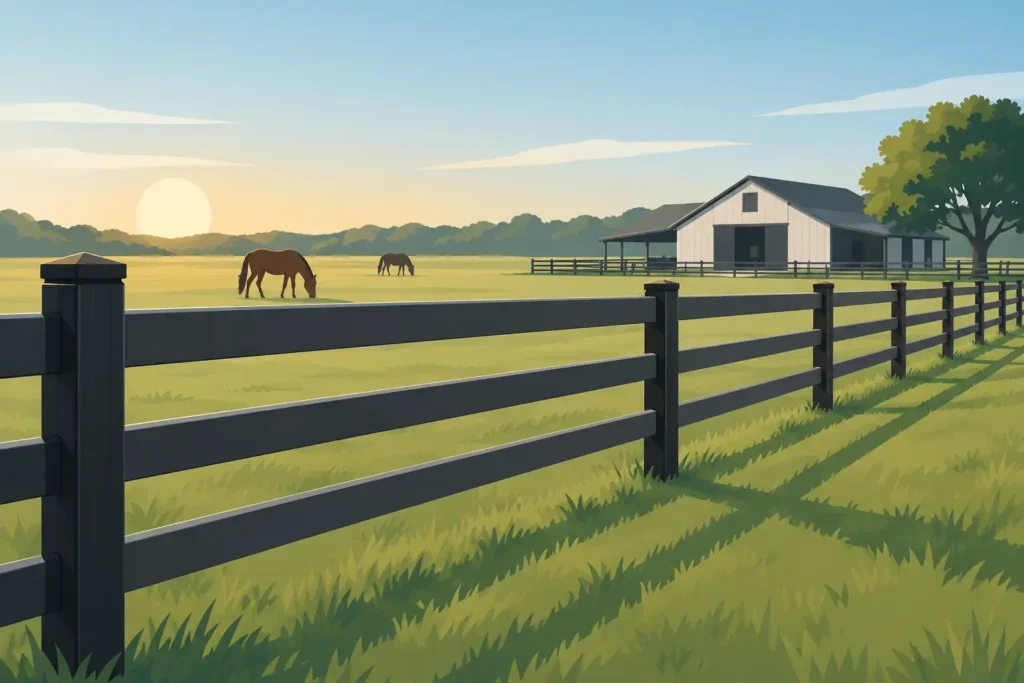
A ranch fence has to do more than mark a property line. It may need to contain horses, separate pastures, keep unwanted animals out, control vehicle access, and still look appropriate from the road. Friendswood ranch fencing works best when it is designed around those daily demands rather than selected as a one-size-fits-all boundary.
The right layout, material, post depth, and gate placement can make routine work easier for years. The wrong choices can lead to sagging wire, difficult access, frequent repairs, or animals testing weak spots. A professional plan starts with how the property is used now and how it may be used later.
Start With the Work Your Fence Must Do
Every ranch property has different pressure points. A small acreage with a few horses needs a different fence than a larger tract used for cattle, equipment storage, or hay production. Before choosing materials, identify what the fence must contain, exclude, or protect.
Livestock type matters because animals interact with fencing differently. Horses need highly visible boundaries with smooth surfaces that reduce injury risk. Cattle often require strong, well-tensioned wire systems and dependable corner bracing. Goats can challenge wide openings and low-clearance areas, while dogs may require a tighter layout around the home site or working yard.
Think about traffic patterns as well. Where will trailers turn? Which entrance will feed trucks use? Does equipment need to move from one pasture to another without returning to the main drive? A fence that looks good on a site plan can become frustrating if a gate is too narrow or positioned where vehicles cannot approach it safely.
Choosing Friendswood Ranch Fencing by Function
A well-built ranch perimeter often combines more than one fencing style. That is not a compromise. It is a practical way to match each part of the property with its purpose.
Pipe and Rail Fencing for High-Visibility Areas
Pipe and rail fencing creates a strong, clean boundary around entrances, driveways, horse areas, and homesites. It provides excellent visibility and a substantial appearance that complements larger properties. Steel pipe is also a smart choice where durability and impact resistance matter.
The trade-off is cost. Pipe fencing generally requires a greater upfront investment than basic wire options, particularly when it is custom fabricated and installed across long distances. Many owners reserve it for frontages and high-traffic areas, then transition to more economical fencing farther into the property.
Wire Fencing for Larger Acreage
Field fence, woven wire, and no-climb wire are proven options for managing broad areas. They can be paired with wood or pipe posts, depending on the desired look and level of strength. Woven wire is useful for smaller livestock and areas where a tighter barrier is needed, while no-climb wire is often a practical option for horses.
Wire fencing depends heavily on proper installation. Posts must be set securely, corners must be braced correctly, and tension must be consistent from one run to the next. Loose wire or weak braces can turn an otherwise good material choice into a recurring maintenance issue.
Wood Fencing for Traditional Ranch Character
Wood rail fencing offers a classic ranch appearance and clear visual definition. It can work well along a driveway, around a barn, or near a residence where curb appeal matters as much as containment. Wood can also be incorporated with wire mesh to improve security for animals or pets.
In the Gulf Coast climate, wood selection and installation quality are especially important. Moisture, heat, insects, and ground contact can shorten the life of poorly selected or improperly set posts. Treated materials, thoughtful drainage, and reliable construction help protect the investment.
Chain Link and Metal Fencing for Secure Areas
Not every ranch fence is for livestock. Chain link and metal fencing are useful around workshops, storage yards, equipment areas, kennels, and commercial sections of a property. These options help create a more controlled space without requiring a full perimeter installation.
For properties with varied needs, a secure inner enclosure can reduce the pressure placed on the main ranch fence. It gives owners a dedicated area for valuable tools, vehicles, materials, or animals that need closer supervision.
Gates Should Match the Way You Move
A gate is often the most-used part of a ranch fence, which is why it should never be treated as an afterthought. The width, swing direction, latch style, frame strength, and approach area all affect whether the gate remains convenient and dependable.
Walk gates are useful for routine foot access, but equipment gates need enough clearance for the largest vehicle expected on the property. A gate that accommodates a pickup may not work for a trailer, tractor, or service truck. It is usually wiser to plan for the larger vehicle rather than create a bottleneck that limits future use.
Swing gates are a reliable choice when there is room for the arc of travel and the ground is reasonably level. Sliding gates can be better for constrained entries, busy driveways, or locations where a swinging leaf would interfere with traffic. Automated access adds convenience and control, but it requires a properly built gate, stable posts, and thoughtful placement of power and safety equipment.
Build for Friendswood Soil, Rain, and Heat
Local conditions affect fencing performance. Rainfall, shifting soil, drainage patterns, and prolonged heat can all put stress on posts, rails, wire, and gate hardware. A fence line should follow the land in a way that manages low areas instead of trapping water against posts or creating washout points beneath the fence.
Post setting is one of the clearest differences between a temporary-looking installation and a fence built to last. Posts need appropriate depth and spacing for the material, terrain, and loads they will carry. Corners, ends, and gates demand extra strength because they absorb tension and repeated movement.
Before installation, walk the entire proposed line. Look for drainage ditches, tree roots, utility routes, uneven terrain, and old fence debris. Confirm property boundaries and check for easements before setting posts. Addressing these details early protects the project from avoidable changes once work is underway.
Design the Layout for Maintenance
The best ranch fence is not just strong on installation day. It remains manageable after storms, seasonal growth, animal contact, and normal use. A practical layout gives you access to every section without forcing you to cross multiple enclosures or take equipment through a narrow gate.
Leave room to mow or maintain vegetation along the fence line where needed. Keep gate hinges, latches, and operators clear of standing water and overgrowth. If electric wire is part of the design, plan for testing access and vegetation control, since tall grass can reduce performance.
It also helps to separate high-risk areas. For example, a road-facing boundary may need more visibility and strength than an interior pasture divider. A pond edge, wooded section, or drainage crossing may require different construction methods than a straight, open run. Treating the whole property as one identical fence line can waste budget in some areas and leave other areas underbuilt.
Know When Repair Is Enough
Not every aging ranch fence needs complete replacement. If posts remain stable, wire is still serviceable, and damage is limited to a few areas, targeted repairs can restore performance at a lower cost. Replacing a damaged gate, resetting loose posts, tightening wire, or rebuilding a corner brace may extend the fence’s useful life.
Replacement becomes the better value when failures are widespread. Rotting posts, repeated sagging, leaning sections, and weak gates often point to a system that has reached the end of its service life. Patching those problems one at a time can cost more over the long run than rebuilding the critical sections correctly.
A contractor should be willing to explain that difference clearly. The goal is not to sell more fence than a property needs. It is to recommend a solution that performs reliably for the property, animals, and daily work involved.
A Fence Plan That Supports the Property
Ranch fencing is an investment in control, safety, and the way a property functions. Delta Fence and Construction can help Friendswood property owners plan custom fencing and gates that fit the acreage, the livestock, and the level of security required. Start with the real work happening on the land, then build a boundary that makes that work easier every day.