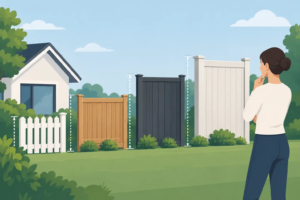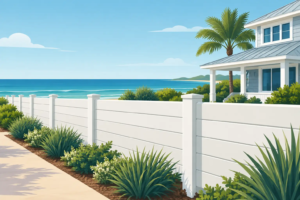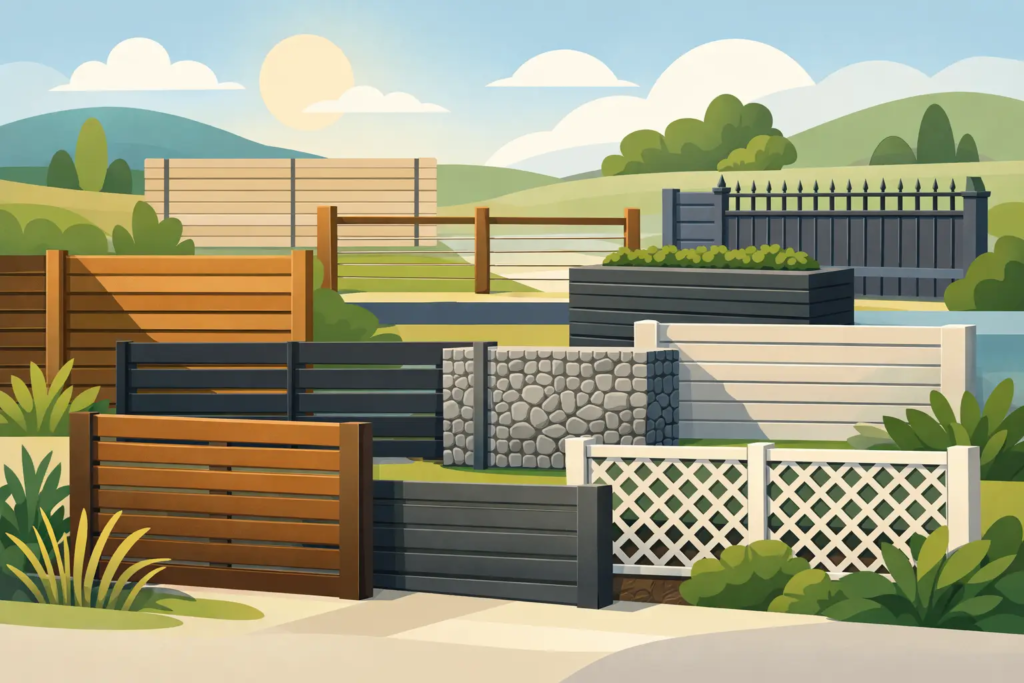
A fence usually gets attention for one of two reasons: it looks great, or it fails fast. The best custom fence design ideas do both jobs well from the start. They strengthen privacy, security, and curb appeal at the same time, which is why design choices matter just as much as material choices.
For homeowners, business owners, and landowners, a custom fence is rarely just about marking a line. It needs to fit the property, solve a problem, and still look like it belongs there. That could mean screening a backyard from close neighbors, securing a commercial perimeter, or creating a ranch fence that holds up to daily use without looking purely utilitarian.
What makes custom fence design ideas worth it
A custom fence works best when it responds to the property instead of forcing the property to adapt to a standard panel. Grade changes, corner lots, pool areas, drive gates, pets, livestock, and neighborhood style all affect the right design. A fence that looks perfect in a photo may not perform the same way on a windy lot or a high-traffic commercial site.
That is why the strongest designs begin with function. Privacy fences need enough height and board placement to block sightlines. Decorative metal fences need spacing that keeps the look open without compromising safety. Farm and ranch fencing needs to balance containment, durability, and long-term maintenance. Good design is not decoration added at the end. It is the structure, layout, and finish working together.
10 custom fence design ideas for different properties
1. Board-on-board privacy fencing for a cleaner finish
If privacy is the main goal, board-on-board wood fencing remains one of the most practical custom options. The overlapping boards reduce gaps, improve visual coverage, and create a more finished appearance from multiple angles. It is a strong fit for backyard spaces, pool enclosures, and side-yard boundaries where neighbors are close.
This style also holds visual appeal better than basic side-by-side pickets because it adds depth. The trade-off is cost. It uses more material and labor, but many property owners see the extra privacy and upgraded look as worth the investment.
2. Horizontal wood fencing for a modern profile
Horizontal wood fencing gives a property a more current, architectural look. It works especially well on newer homes, renovated exteriors, and outdoor living areas where the fence is part of the overall design rather than an afterthought.
Spacing matters here. Tight spacing offers more privacy, while narrow reveals between boards create a lighter appearance. Horizontal layouts can look sharp, but they require proper framing and installation to avoid sagging over time. In humid Gulf Coast conditions, craftsmanship matters even more because moisture movement can affect long runs of lumber.
3. Ornamental iron fencing with brick columns
For front perimeters, entry areas, and upscale commercial properties, ornamental iron paired with brick columns creates a strong first impression. It offers visibility and security without closing off the property visually. This is often the right choice when curb appeal matters just as much as perimeter definition.
The design can be formal or understated depending on picket tops, rail spacing, and column size. It is not the best fit if complete privacy is the priority, but it performs well where appearance, durability, and gate integration matter most.
4. Shadowbox fencing for shared property lines
Shadowbox fencing is a smart option when both sides of the fence will be visible. Because boards alternate on each side, the fence presents a more balanced appearance to neighbors and reduces the harsh “good side versus back side” issue that comes with some standard wood designs.
It also allows some airflow, which can help in windy areas. The trade-off is privacy. It provides more screening than open pickets, but not as much as a fully enclosed privacy fence.
5. Mixed-material fences for a custom look
Some of the best custom fence design ideas come from combining materials instead of choosing only one. Wood and metal is a common pairing because it brings warmth and structure together. Brick and iron is another proven combination for entrances and perimeter walls. Aluminum with custom gates can also work well for properties that want a refined look with lower maintenance.
Mixed-material designs usually cost more upfront, but they can solve multiple goals at once. A property owner may want the security of metal, the privacy of wood, and the permanence of masonry accents. The key is making sure the materials complement each other structurally, not just visually.
6. Decorative top details that change the whole fence
A simple privacy fence can look custom with the right top detail. Lattice tops, cap-and-trim finishes, framed panels, or arched sections can change the character of the fence without changing its basic function. These features are especially effective on fences that are highly visible from the street or from outdoor entertaining areas.
This is often one of the most cost-effective ways to customize a fence. Instead of redesigning the entire perimeter, you improve the silhouette and finish. Still, decorative features should match the home and not overpower it. Too many details can make a fence look busy instead of tailored.
7. Custom gates that match the fence instead of interrupting it
A gate should not feel like an afterthought. On many properties, it becomes the most used and most stressed part of the entire fence line. A well-designed custom gate matches the fence style while accounting for weight, hardware, clearance, and frequency of use.
For residential properties, that may mean a reinforced walk gate or a double drive gate with better access for trailers or lawn equipment. For commercial properties, it may include wider openings, metal framing, or controlled entry features. Good design here is highly practical. A gate that looks right but drags, sags, or sticks quickly becomes a problem.
8. Ranch and farm fencing with a finished appearance
Ranch fencing does not have to look rough or temporary. Split rail, pipe fencing, no-climb wire, and wood rail systems can all be customized to fit the land, the livestock, and the appearance of the property. Some landowners want a more traditional ranch look, while others need a stronger system for horses, cattle, or equipment boundaries.
The best approach depends on use. Open rail fencing looks great and preserves views, but it may need mesh or wire additions for animal safety. Pipe fencing offers durability and strength, though the look is more utilitarian. A custom layout can combine these priorities without treating the entire property the same way.
9. Commercial fencing that does not look purely industrial
Commercial properties often need a stronger perimeter, but that does not mean every fence has to look severe. Chain link, ornamental metal, and security-focused enclosures can all be adapted based on visibility, access, and brand image. A front-facing section may call for cleaner lines and a more polished entrance, while rear or service areas may prioritize containment and durability.
This is where custom planning matters most. A business may need pedestrian access in one area, vehicle control in another, and screened equipment storage elsewhere. One fence type across the whole site is not always the best answer.
10. Privacy screening around outdoor living spaces
Not every custom fence project needs to enclose the entire property. Sometimes the best design idea is targeted screening where it improves daily use most. Around patios, outdoor kitchens, hot tubs, trash enclosures, or pool equipment areas, partial fencing can create privacy and cleaner sightlines without adding unnecessary cost.
This approach works well when the existing perimeter fence is still functional but certain areas feel exposed. It can also add a more intentional look to outdoor living spaces by defining them with matching materials and finishes.
How to choose the right custom fence design ideas
The right fence starts with a simple question: what needs to improve first? If the answer is privacy, the design should focus on height, board placement, and limited gaps. If it is security, stronger materials, gate control, and visibility may matter more. If curb appeal is the main goal, details like layout, finish, and how the fence fits the architecture become more important.
Budget matters, but so does maintenance tolerance. Wood offers warmth and flexibility, but it needs care over time. Metal can provide longer-term durability with less upkeep, depending on the finish and environment. Brick adds permanence, though it raises the project scope and cost. There is no single best material for every property. The best choice is the one that fits your use, your style, and your long-term expectations.
On properties in areas like League City, Friendswood, and Clear Lake, weather exposure can also shape the right design. Humidity, sun, and storms affect materials differently. A fence should not just look good on installation day. It should be built to keep performing after seasons of real use.
Why installation quality matters as much as design
Even the best-looking design can fail if the posts are shallow, the gate framing is weak, or the material is not suited to the site. Custom work only delivers value when the build quality supports the design. That is where experienced planning, proper layout, and solid construction separate a fence that lasts from one that starts leaning or warping early.
Delta Fence and Construction approaches custom fencing with that full picture in mind – appearance, performance, and property-specific needs all have to work together. That is what turns a fence from a basic boundary into an upgrade that adds real value.
If you are considering a new fence, start by thinking beyond style alone. The best custom fence is the one that solves the right problem, fits the property naturally, and still looks like it was built there from the beginning.