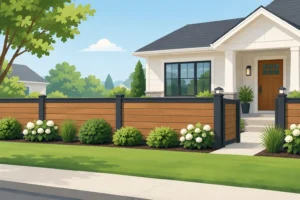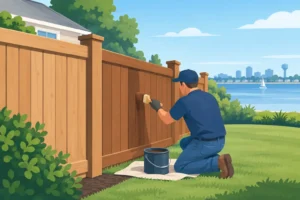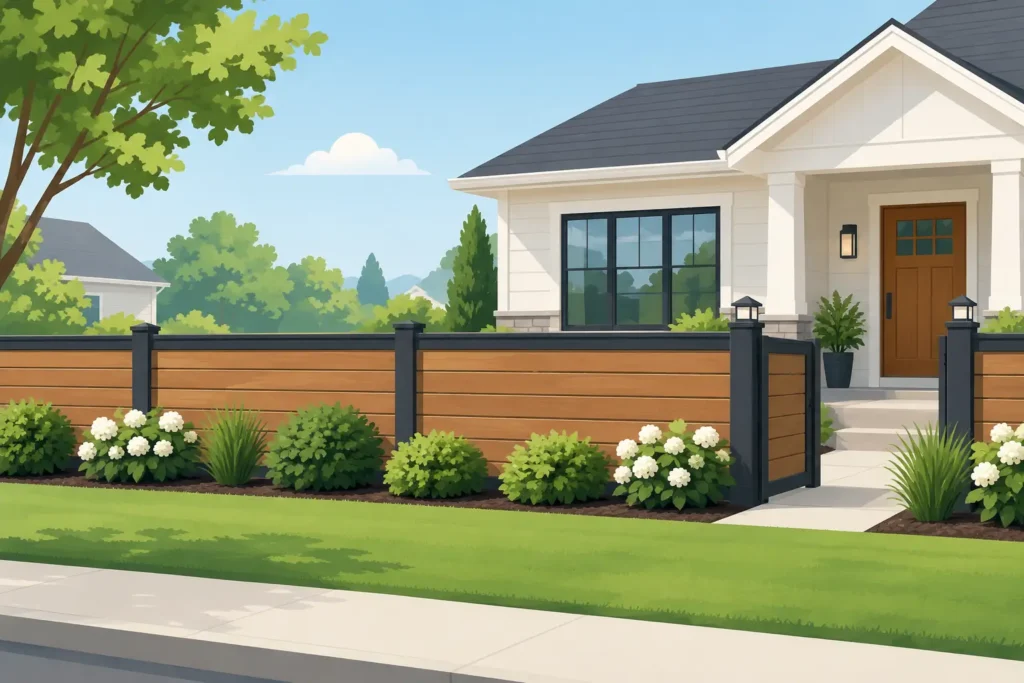
A leaning fence panel, a gate that drags across the driveway, and overgrown shrubs can make an otherwise well-kept property look neglected before a visitor reaches the front door. Knowing how to improve curb appeal means looking beyond paint and flowers. The strongest results come from improving the features that frame the property, define its boundaries, and create a sense of care from the street.
For homes, businesses, and larger properties, fencing is often one of the most visible investments on the lot. The right fence can create privacy, improve security, guide traffic, and give landscaping and architecture a finished backdrop. The wrong one, or one that has been allowed to deteriorate, can pull attention away from everything else you have improved.
Start With What People See From the Street
Walk to the curb and look at the property as if you were seeing it for the first time. Notice what draws your eye first. Is it a clean front entry, a healthy lawn, and a well-built fence? Or is it a sagging gate, faded wood, rusted hardware, uneven edging, or clutter near the driveway?
This first view should help you prioritize. Curb appeal is not about adding every possible feature. It is about removing distractions and investing in the improvements that make the entire property look intentional. A cracked walkway may need attention before new planters. A worn perimeter fence may deserve replacement before decorative lighting.
For commercial properties, the same rule applies. Customers and tenants notice access points, parking lot edges, gates, and perimeter fencing. A clean, secure boundary signals that the property is managed responsibly.
Repair the Details That Make a Property Look Neglected
Small defects have an outsized effect because they suggest larger maintenance problems. Start with the visible basics: loose fence boards, broken pickets, missing caps, bent chain link, peeling paint, damaged gate latches, and fence posts that have begun to shift.
A fence does not always need full replacement. If the posts are stable and most of the structure is in good condition, targeted repairs can restore its appearance and extend its service life. Replacing damaged boards, tightening hardware, correcting a sagging gate, or cleaning mildew from a wood fence may make a dramatic difference at a controlled cost.
However, repairs have limits. If posts are rotted, panels are repeatedly failing, or the style no longer fits the property, ongoing patchwork can become more expensive and less attractive than a new installation. A professional assessment can help determine whether repair is the sensible choice or whether replacement will deliver better long-term value.
Use Fencing to Create a Stronger First Impression
Fencing is not simply a barrier. It is an architectural element that can tie together the home, landscape, driveway, and outdoor living areas. When considering how to improve curb appeal with fencing, match the material and design to the property’s practical needs as well as its style.
Choose a Material That Fits the Property
Wood fencing remains a popular choice for homeowners who want warmth, privacy, and flexible design options. A well-built cedar or treated wood privacy fence can soften a backyard boundary while creating a clean, substantial look from side streets and neighboring properties. It does require periodic maintenance, especially in the Gulf Coast climate, but its design versatility is hard to match.
Ornamental iron and aluminum fencing offer a more open, refined appearance. These options work well along front yards, pool areas, business entrances, and properties where visibility matters. They can define boundaries without blocking views, and their clean lines pair well with brick, stone, and modern exterior finishes.
Chain link fencing is often the practical choice for commercial sites, side yards, sports areas, and larger acreage. Vinyl-coated chain link can provide a more polished appearance than standard galvanized material, while privacy slats may be appropriate where screening is needed. For farms and ranches, the right field or livestock fencing should prioritize containment and durability, but thoughtful gate placement and straight, well-maintained lines still contribute to a tidy property appearance.
Give the Gate the Attention It Deserves
A gate is a focal point because it is where people enter. It should operate smoothly, align with the surrounding fence, and look proportionate to the opening. A custom wood gate can bring character to a residential side entry, while an ornamental metal gate can add distinction and access control to a driveway or commercial property.
Do not treat gate hardware as an afterthought. Hinges, latches, drop rods, and automatic operators should be selected for the gate’s weight and frequency of use. A beautiful gate that drags, sags, or fails to latch will quickly undermine both appearance and function.
Clean Up the Landscape Around the Perimeter
Landscaping looks more finished when it has a strong boundary behind it. At the same time, plants can shorten the life of a fence if they trap moisture, rub against surfaces, or hide damage. Keep shrubs and vines trimmed back so fence panels can dry after rain and remain visible for inspection.
Use planting beds to complement, not overwhelm, the fence line. Low shrubs, ornamental grasses, and seasonal color can soften a privacy fence without covering it entirely. If the goal is screening, choose plants with mature height and spacing in mind. Planting too close together may produce a dense look quickly, but it also creates maintenance issues and can crowd the fence within a few years.
Pay attention to lawn edges, mulch lines, and areas around mailboxes or monument signs. Defined borders make the property appear organized, even when the landscaping itself is simple. In League City, Friendswood, and Clear Lake, drainage should also guide design decisions. Grading, drainage swales, and downspout discharge need to move water away from fence posts and planting beds whenever possible.
Improve the Entry Without Overbuilding It
The front door, driveway, and walkway should lead visitors naturally toward the property. Power washing hard surfaces, repairing cracked concrete, updating worn house numbers, and clearing unnecessary items from the porch can improve the entry immediately.
Lighting is useful here, but restraint matters. A few well-placed fixtures at the walkway, gate, or entry can increase safety and highlight the property after dark. Overlighting can create glare, uneven shadows, and a cluttered look. Select fixtures that complement the exterior rather than compete with it.
For businesses, make sure directional signs, gates, and pedestrian access points are easy to understand. A clearly marked, well-maintained entry improves customer confidence while reducing confusion and unnecessary wear on restricted areas.
Coordinate Colors, Materials, and Proportions
A property looks more valuable when its exterior elements appear related. You do not need every feature to match exactly, but the color palette and materials should work together. For example, a dark bronze aluminum fence may coordinate well with black window trim or exterior light fixtures. A natural wood fence may look especially cohesive beside brick, stone, or warm neutral siding.
Proportion matters as much as color. A tall privacy fence can be the right solution for a backyard but may feel heavy along a small front yard. An open ornamental fence often provides better curb-facing definition when you want visibility. On larger lots, a combination of materials can be practical: ornamental fencing at the front, privacy fencing near outdoor living spaces, and more utilitarian fencing along less visible boundaries.
This is where custom design provides an advantage. Standard panels may be suitable for straightforward projects, but slopes, unusual lot lines, wide driveways, and architectural details often call for a tailored layout. The goal is a fence that looks built for the property, not added as an afterthought.
Invest Where Durability Will Show
The least expensive option is not always the best value when it sits in full view every day. Quality posts, proper concrete setting, correctly sized rails, corrosion-resistant hardware, and professional installation affect how a fence performs and how it continues to look over time.
Houston-area weather brings heat, humidity, heavy rain, and storm conditions that can expose weak construction. Materials should be selected with local conditions in mind, and installation should account for soil, drainage, wind exposure, and gate use. A fence that is straight, secure, and properly supported will preserve its curb appeal far longer than one built around shortcuts.
Delta Fence and Construction helps property owners choose fencing and gate solutions that balance appearance, privacy, access, and long-term performance. The best design is never just about what looks good on installation day. It should continue to serve the property well through daily use and changing weather.
A stronger street view begins with one honest look at the boundary, entry, and landscape you already have. Address the visible weak points first, then choose improvements that make the property feel secure, cared for, and distinctly yours.