A pool should be a place for family time, not a source of constant worry. This pool fence safety guide explains how a properly planned barrier helps prevent unsupervised access while improving the appearance and security of your backyard. The right fence is not simply a line around the water. It is a carefully built layer of protection that must work every day, in every season, and with every person who visits your property.
Start With the Purpose of Your Pool Fence
A pool fence has one primary job: limit direct access to the pool area when an adult is not actively supervising. That matters for young children, but it also protects pets, visiting children, and guests who may not understand the layout or hazards of your yard.
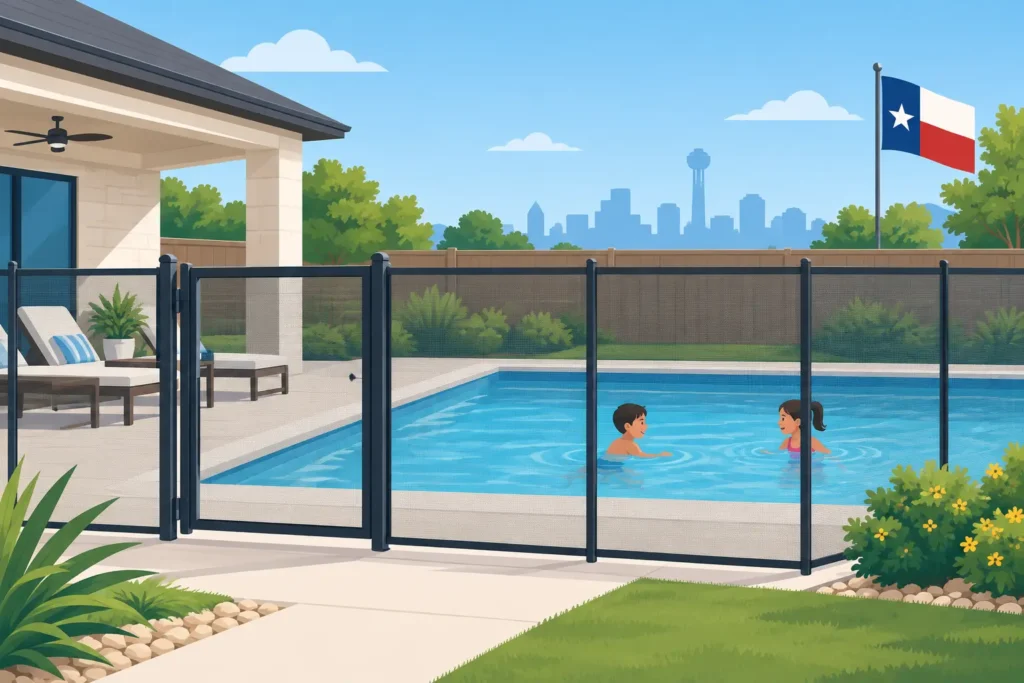
A good barrier also gives homeowners more control over the space. It can separate a pool from play areas, outdoor kitchens, patios, driveways, or side yards. For many properties, a well-designed pool enclosure creates a cleaner backyard layout while preserving sightlines to the pool from the home.
Safety, appearance, and budget all matter, but safety requirements should lead the decision. A shorter decorative fence or a gate that does not reliably latch may look acceptable on installation day, yet fail the moment a child pushes on it or a visitor forgets to close it.
Pool Fence Safety Guide: Build Around Access Control
The strongest pool safety plan prevents easy access from every direction. Walk your property as if you were a curious toddler, a loose dog, or a guest unfamiliar with the yard. Look for gates, gaps at the bottom of fencing, climbable furniture, low walls, and doors that open directly toward the pool.
A dedicated enclosure around the pool is often the most effective approach because it creates a separate protected zone. In some backyards, the home forms one side of the pool boundary. That can be practical, but it introduces another access point to manage through alarms, self-closing doors, locks, or other protective measures required by local rules.
Avoid treating the existing property fence as the only safety barrier unless it truly creates a secure, compliant enclosure. A perimeter privacy fence may keep strangers out of the yard, but it may not stop a child who is already inside the yard from reaching the water.
Fence Height and Ground Clearance Matter
Pool barrier rules commonly address minimum height, maximum openings, and clearance between the fence and ground. Exact requirements can vary by municipality, neighborhood restrictions, and the type of pool, so homeowners should confirm the current standards before construction begins.
From a practical standpoint, the fence should be tall enough to discourage climbing and should not leave a gap that allows a small child or pet to crawl beneath it. Uneven ground, drainage slopes, and settled soil can create openings over time. A professional installation accounts for grade changes instead of leaving inconsistent clearance along the bottom rail.
Fence design also affects climbability. Horizontal rails, decorative cutouts, nearby planters, patio furniture, and storage boxes can become footholds. Keep movable objects away from the barrier, and choose a design that does not give children an easy route over the top.
The Gate Is the Critical Point
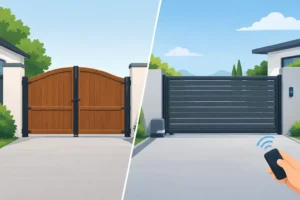
A pool gate receives more daily use than any other part of the barrier, which makes it the component most likely to develop problems. It should swing away from the pool area when possible, close on its own, and latch securely without someone having to remember to pull it shut.
The latch should be placed where a young child cannot easily reach or manipulate it. A gate that sticks, drags across pavers, closes too slowly, or fails to latch consistently needs prompt attention. Do not assume a locked gate is enough if the closer or latch is unreliable.
For households with frequent guests, consider how people will move through the space. A well-positioned gate reduces the temptation to leave it propped open while carrying food, towels, pool equipment, or furniture. Convenience supports safety when the design is done correctly.
Choose a Material That Supports Visibility and Durability
The best pool fence material depends on the layout of the yard, the style of the home, maintenance expectations, and the level of visibility you want. There is no single right answer for every property.
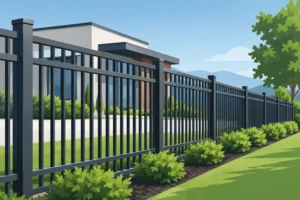
Aluminum fencing is a popular pool enclosure choice because it offers open sightlines, resists rust, and suits many traditional and contemporary homes. It allows adults to see the pool area from the patio or house without creating the enclosed feel of a solid fence. Wrought iron-style and ornamental metal fences can provide a similar appearance, though material quality and protective coatings matter in humid Gulf Coast conditions.
Chain link can be a budget-conscious option for certain properties, especially where function is the main priority. For a residential backyard, black vinyl-coated chain link can look more refined than standard galvanized material while maintaining visibility. It is still important to select appropriate mesh, height, and gate hardware for the application.
Wood privacy fencing creates separation and can improve privacy around a pool, but it requires more maintenance than metal options. Wood can warp, crack, or deteriorate when exposed to moisture and sun, and its solid surface blocks visibility. It may work well as an outer perimeter fence paired with a separate open-style pool barrier.
Glass panels can offer a modern, nearly unobstructed view, but they require regular cleaning and careful installation. They are also a higher-investment option that may not suit every budget or backyard layout. The goal is not to choose the most expensive material. It is to choose one that remains secure, functional, and attractive over time.
Plan for Texas Weather and Everyday Wear
Heat, humidity, heavy rain, and shifting soil can all affect a pool fence. Posts must be set properly, gates need hardware rated for outdoor exposure, and drainage should direct water away from areas where it can erode the ground beneath the fence.
Saltwater pools deserve extra consideration as well. Airborne salt and splash exposure can accelerate corrosion on unprotected metal components. Powder-coated aluminum and properly finished steel can perform well, but damaged coatings should be repaired before corrosion spreads.
A quality installation includes more than setting posts and hanging panels. It considers how the gate will operate after rain, how the fence line follows the terrain, and where water collects after a storm. These details make the difference between a fence that looks good initially and one that continues working properly years later.
Keep the Barrier Maintained
Pool safety is not a one-time project. A quick inspection at the start of swimming season and after major storms can catch small issues before they become serious. Test the gate each time you inspect it. It should close and latch without assistance.
Watch for these common problems:
- Loose hinges, damaged latches, or gate closers that no longer pull the gate shut
- Fence posts that lean, shift, or show cracking around the base
- Openings created by erosion, settling soil, damaged panels, or loose pickets
- Climbable objects, furniture, or landscaping placed too close to the fence
- Rust, rot, splinters, or sharp edges that could weaken the barrier or cause injury
If a repair affects gate function, structural stability, or a potential opening into the pool area, address it immediately. Temporary fixes such as a bungee cord, makeshift prop, or unsecured chain are not reliable pool safety measures.
Do Not Let the Fence Replace Supervision
A pool fence is an essential layer of protection, not a substitute for active adult supervision. When children are swimming, a responsible adult should remain focused on the pool rather than relying on periodic checks from inside the house. Pool covers, alarms, door locks, and basic water safety training can add further protection, but none replaces attention around water.
For homeowners in League City, Friendswood, and Clear Lake, local permit and barrier requirements should be checked before work begins. Requirements can change, and pools may be subject to city codes, inspections, homeowner association guidelines, or insurance conditions. Planning early prevents expensive adjustments after installation.
A well-built pool fence should feel like a permanent part of the property, not an afterthought. Choose a design that fits the home, hardware that holds up to daily use, and installation quality that gives your family confidence every time the gate clicks shut.