A fence rarely fails all at once. In most cases, it starts with a leaning post after a hard rain, a gate that drags across the driveway, a loose picket, or a small patch of rust that spreads quietly. Consistent League City fence maintenance helps property owners catch those issues while they are still simple repairs, protecting the privacy, security, and appearance their fence was built to provide.
The Gulf Coast climate can be demanding on exterior structures. Humidity, strong sun, heavy rainfall, shifting soil, salt in the air near the bay, and storm-season winds all take a toll. The right maintenance plan depends on your fence material, how the property is used, and whether the fence is primarily for privacy, security, livestock, access control, or curb appeal.
Start With a Seasonal Fence Inspection
A thorough visual inspection two or three times a year is one of the most valuable maintenance habits a property owner can have. Walk the entire fence line, including the back corners and less-used areas where damage can go unnoticed. Spring and early fall are good times to inspect, along with a check after major storms.
Look closely at posts first. Posts carry the load of the entire fence, so a leaning, cracked, loose, or rotted post can create problems across several sections. Check that the soil around each post is stable and that water is not pooling at the base. Standing water accelerates wood decay and can loosen soil around any type of post.
Then inspect rails, panels, pickets, fasteners, and hardware. Loose nails or screws, cracked boards, bent metal sections, missing caps, and separated panels should be repaired before they affect neighboring components. A small correction now is usually far more affordable than rebuilding a full fence section later.
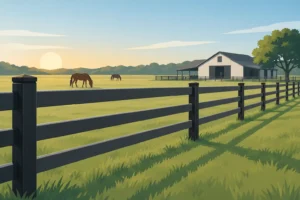
For commercial, farm, and ranch properties, inspections should also include the full perimeter. Fence damage may create a security gap, an unsafe entry point, or a containment issue for animals. On larger properties, documenting concerns by section can make repairs easier to prioritize.
Wood Fence Care for Privacy and Curb Appeal
Wood remains a popular choice for League City homes because it provides privacy, warmth, and flexible design options. It also needs more regular care than metal or vinyl-style materials. Proper maintenance preserves the wood’s strength while helping it retain a clean, finished look.
Keep Moisture and Debris Away
Leaves, mulch, vines, and soil held against a wood fence trap moisture. Clear buildup along the bottom of the fence and trim back vegetation that touches the boards. Sprinkler heads should also be directed away from the fence whenever possible. Repeated water exposure in one area can cause uneven discoloration, warping, or early rot.
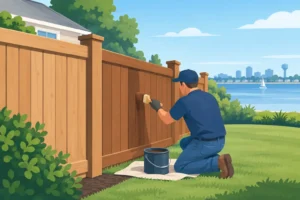
Cleaning the fence periodically removes dirt, mildew, and surface buildup. Use a fence-safe cleaner and a soft brush or low-pressure wash setting. High-pressure washing can damage wood fibers, particularly on older boards, so it should be used carefully. Allow the fence to dry fully before applying any protective coating.
Seal, Stain, or Paint When Needed
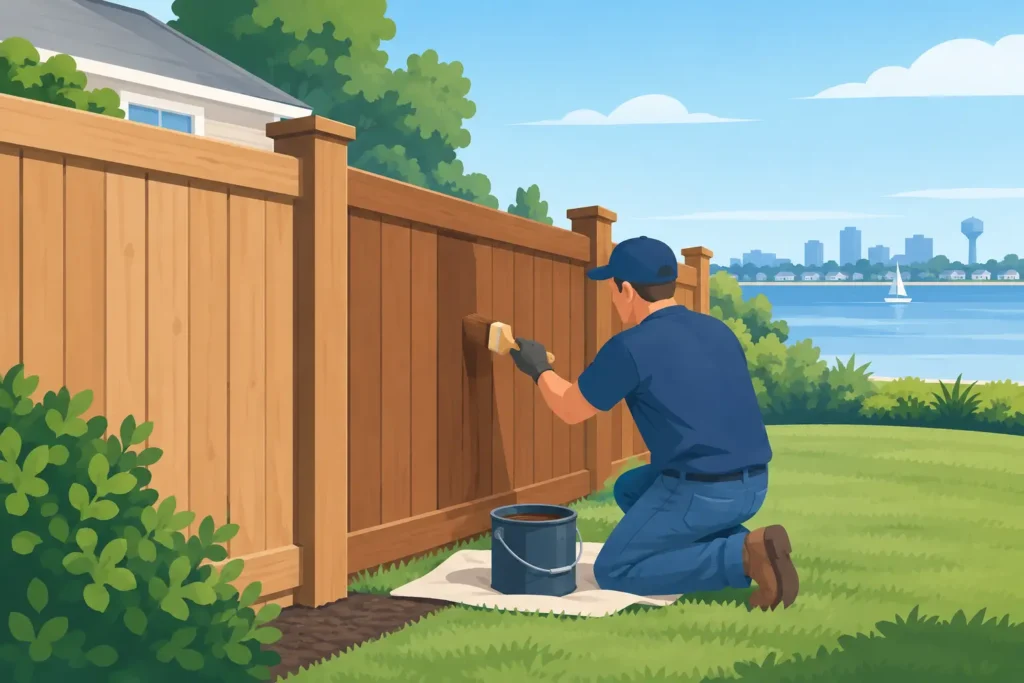
A quality exterior stain, sealant, or paint system creates a barrier against moisture and UV exposure. The best timing depends on the product, wood condition, and sun exposure, but many wood fences benefit from recoating every two to three years. South- and west-facing fence lines may need attention sooner because they receive stronger afternoon sun.
Watch for fading, peeling, bare spots, splintering, and water that no longer beads on the surface. Those are signs the protective finish is wearing down. A fresh coating can extend the service life of a fence, but it cannot correct structural rot. Damaged boards, rails, or posts should be replaced before refinishing.
Metal and Wrought Iron Fence Maintenance
Wrought iron, ornamental metal, aluminum, and chain link fencing provide long-term performance with comparatively low routine upkeep. Still, these materials are not maintenance-free. The most common concern is corrosion, especially where the protective coating has been scratched or worn away.
Inspect metal fences for chipped paint, rust spots, loose brackets, bent pickets, damaged welds, and unstable posts. Surface rust should be addressed promptly. Cleaning the area, removing loose rust, applying an appropriate rust-inhibiting primer, and touching up the finish can prevent a small issue from spreading.
Aluminum fencing does not rust in the same way as steel or iron, but its powder-coated surface can still be scratched or damaged. Check for loose sections, shifted posts, and gate hardware problems. Chain link fencing deserves attention at the bottom edge, where soil movement, vegetation, and moisture can affect tension and stability.
For security fencing, do not overlook the top and bottom of the fence line. A bent rail, loose tie wire, or separated panel may be enough to compromise the perimeter. Repairs should restore both the fence’s appearance and its intended level of protection.
Gates Need More Attention Than Fence Panels
Gates are moving parts, which means they experience more wear than stationary fence sections. A gate that no longer latches, scrapes the ground, or sags from its hinges is not just inconvenient. It can create an access problem, reduce security, and place stress on the posts and surrounding fence.
Check hinges, latches, drop rods, rollers, closers, and locks regularly. Tighten loose hardware and lubricate moving metal components with a product suited to outdoor use. If the gate drags, avoid forcing it shut. The problem may be a shifted post, worn hinge, soil movement, or a gate frame that needs adjustment.
Drive gates and larger custom gates require especially careful inspection. Their weight puts added pressure on posts, hinges, and automated components. If an automatic gate begins moving unevenly, making unusual noises, or failing to close consistently, professional service is the safer choice. Adjusting heavy gate systems without the right equipment can worsen the damage or create a safety risk.
Protect Your Fence After Storms
Strong wind and saturated soil are a difficult combination for any fence. After severe weather, walk the property line once conditions are safe. Check for leaning posts, lifted panels, broken boards, damaged gates, and debris caught against the fence.
Do not assume a slightly leaning fence will settle back into place on its own. Posts that have shifted may continue to move, especially if the ground remains wet. Temporary bracing can prevent further damage, but a lasting repair may require resetting or replacing posts and rebuilding affected sections.
If a tree limb has fallen on the fence, photograph the damage before cleanup when possible. Then remove weight from the fence carefully. Pulling heavy debris across boards or panels can turn a localized repair into a larger replacement project.
When Repair Is Smarter Than Replacement
A fence does not need to be replaced simply because it looks weathered. If posts are solid and most of the structure remains sound, targeted repairs can often restore strength and appearance. Replacing a handful of pickets, one damaged rail, or a worn gate latch is a practical option for many property owners.
Replacement becomes more reasonable when multiple posts are failing, rot is widespread, metal corrosion has weakened major sections, or the fence no longer meets the property’s needs. A homeowner may decide to upgrade from an aging wood fence to a more secure metal option. A business may need a taller perimeter, improved access control, or a custom gate designed for regular vehicle traffic.
The right decision depends on the condition of the existing fence and the goals for the property. A professional assessment can identify whether a repair will provide dependable service or merely delay a larger problem.
Professional League City Fence Maintenance Helps Preserve Value
Routine care is manageable for many property owners, but structural repairs are best handled with the right tools, materials, and installation knowledge. Fence lines need to be straight, posts need proper support, gates need correct alignment, and replacement materials should match the demands of the site.
Delta Fence and Construction helps homeowners, businesses, and landowners address fencing concerns with practical repair and maintenance solutions. Whether the issue involves a privacy fence, wrought iron enclosure, chain link perimeter, ranch fence, or custom gate, quality workmanship helps ensure the repair supports both function and appearance.
A well-maintained fence does more than mark a boundary. It continues to provide the privacy, security, and finished appearance that made it worth building in the first place. Addressing a loose post or dragging gate today can keep your property protected and looking cared for for years to come.