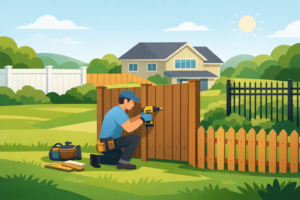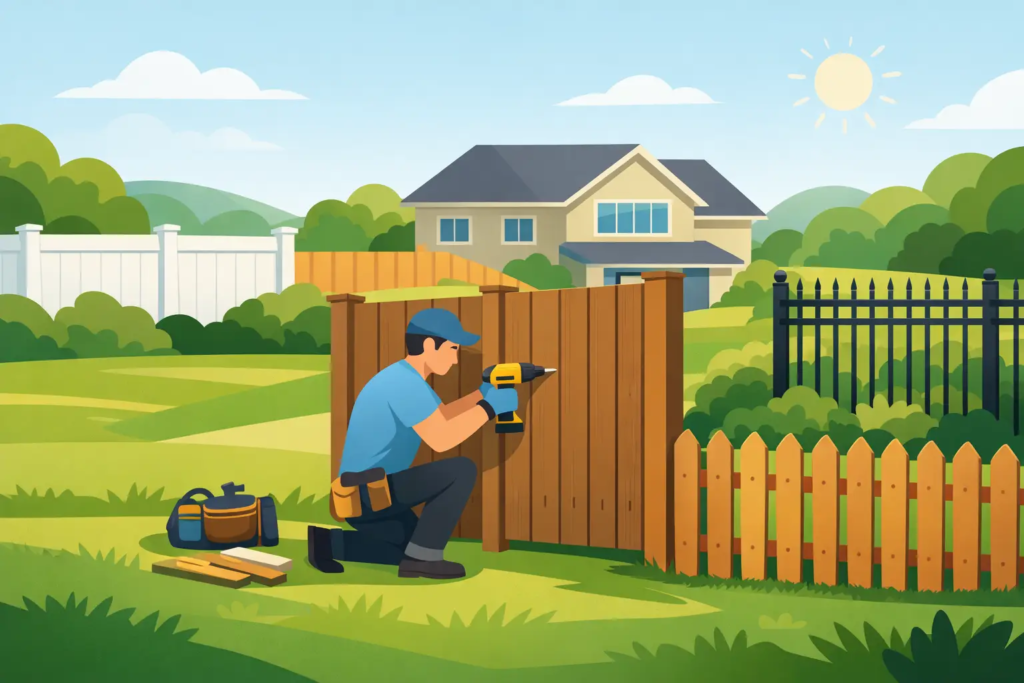
A fence should solve a real property problem, not simply fill a line on a survey. The right fence installation can create backyard privacy, define a commercial perimeter, protect livestock, control access, or give an aging property a cleaner, more finished appearance. The wrong approach can leave you with a fence that looks good on day one but shifts, sags, or fails to meet the way you actually use the property.
For homeowners, businesses, and landowners, the best result starts with a clear understanding of what the fence needs to do. Materials, height, gate placement, post depth, and layout all affect long-term performance. A well-built fence is a practical investment in security and appearance, but it must be designed around the property rather than pulled from a one-size-fits-all plan.
Start Fence Installation With the Property’s Purpose
The first question is not which material looks best. It is what the fence must accomplish every day. A family may need a private backyard with a secure gate for children and pets. A business may need to guide vehicle access, protect equipment, or establish a clear boundary around a lot. A ranch property may need dependable containment across a much larger area.
These needs can overlap, but they do not always call for the same solution. A six-foot wood privacy fence can be an excellent choice for a residential yard, while chain link may provide more practical security for a utility area. Wrought iron or aluminum can preserve views around a pool, entryway, or landscaped frontage while still creating a strong boundary. Farm and ranch fencing has its own demands, including terrain, animal type, gate width, and maintenance access.
Before design begins, consider sightlines, drainage, grade changes, existing structures, utility locations, and the traffic pattern around the property. A fence line that ignores these details often creates avoidable problems later. For example, placing a gate where a vehicle cannot turn comfortably through it is just as frustrating as installing a solid privacy fence that blocks an important view.
Choose Materials for Performance, Not Just Appearance
Every fence material brings a different balance of privacy, maintenance, cost, durability, and visual style. There is no single best material for every property. The right choice depends on where the fence is going, how it will be used, and how much upkeep the owner prefers.
Wood Fences Offer Flexible Privacy and Style
Wood remains a popular choice because it provides natural warmth and significant design flexibility. It can be built as a traditional privacy fence, a decorative horizontal layout, a ranch-style fence, or a custom design that matches the home’s architecture. Properly installed posts, quality fasteners, and thoughtful finishing make a major difference in how well a wood fence holds up over time.
Texas heat, moisture, and storm conditions can be hard on wood. Maintenance such as sealing, staining, or replacing weathered boards may be part of ownership. That trade-off is often worthwhile for property owners who want a tailored, solid-looking privacy fence with strong curb appeal.
Metal, Wrought Iron, and Aluminum Add Lasting Definition
Metal fencing is often selected for security, durability, and an open visual profile. Wrought iron-style fencing gives homes, gated entries, and commercial properties a classic, substantial appearance. Aluminum offers a similar refined look with lower maintenance and is especially useful where preserving the view matters.
These fences do not provide the full privacy of wood or vinyl-style panels, but they create a clear perimeter without making a property feel closed in. They also work well with custom gates, masonry columns, and landscaped entry features. For properties with slopes or uneven ground, the installation method should be planned carefully so gaps do not compromise appearance or containment.
Chain Link and Farm Fencing Handle Demanding Jobs
Chain link fencing is a straightforward option for commercial yards, sports areas, animal enclosures, and properties where function is the priority. It is durable, cost-conscious across larger runs, and adaptable to different heights and gate configurations. Privacy slats or screening can be added when visibility needs to be reduced.
Farm and ranch fences are built around function first. Whether the goal is livestock containment, perimeter definition, or access control, the fence must suit the land and the animals. Post spacing, brace assemblies, wire selection, and gate locations are not minor details. They determine whether the fence continues doing its job through changing weather and daily use.
Layout and Gate Placement Matter More Than Most Owners Expect
A fence is only as convenient as the access it provides. Gates deserve the same planning as the fence itself, especially on driveways, commercial sites, side yards, and large acreage. A gate should open in the right direction, clear the grade, accommodate the equipment or vehicles using it, and have hardware suited to its weight and frequency of use.
For a residence, a walk gate may need to be close to the driveway, trash area, or pool equipment. A double gate may be necessary for lawn equipment, trailers, or backyard vehicle access. Commercial properties may require wider openings, cantilever gates, or controlled entry points that support daily operations without weakening perimeter security.
Custom gates can turn a standard boundary into a more functional, finished part of the property. The design can coordinate with a wood privacy fence, metal panels, brick columns, or an existing architectural style. What matters most is that the gate is built and supported correctly. A beautiful gate that drags, binds, or leans becomes a daily inconvenience quickly.
Installation Quality Begins Below Ground
Most fence problems begin where they are hardest to see: below ground. Posts need to be set at an appropriate depth and secured for the fence height, soil conditions, wind exposure, and weight of attached panels or gates. Corner posts, end posts, and gate posts take greater stress than line posts and must be built accordingly.
In the Houston-area climate, soil movement, heavy rain, and strong winds can challenge poorly installed fencing. Proper layout, bracing, drainage awareness, and material selection help prevent common issues such as leaning sections, loose gates, warped rails, and premature deterioration. Saving money by reducing post depth or using lighter materials in high-stress areas often costs more when repairs arrive early.
Craftsmanship also shows in the visible details. Fence lines should be consistent, transitions should be clean, hardware should operate smoothly, and finished surfaces should complement the property. A custom fence does not have to be ornate to look intentional. Clean construction and proportionate design create the strongest result.
Know When Repair Is Enough and When Replacement Makes Sense
Not every worn fence needs to be replaced. Isolated damage from a fallen branch, a broken gate hinge, loose pickets, or a small section of rust may be repaired effectively when the broader structure remains sound. Timely maintenance can extend the life of a fence and protect the investment already in place.
Replacement becomes more practical when posts are failing throughout the line, panels are repeatedly shifting, rot has spread, or the layout no longer serves the property. An outdated fence may also fall short of current needs for privacy, pet safety, security, or access. In those cases, rebuilding provides an opportunity to correct the original limitations instead of continuing to patch them.
A professional site assessment helps separate cosmetic concerns from structural issues. It also helps property owners compare the cost of continued repairs with the value of a new fence designed for their current needs.
Work With a Contractor Who Plans the Entire Fence System
Fence installation is not simply setting posts and attaching panels. It is the coordination of boundaries, materials, grades, access points, local conditions, and the way the property will be used years from now. A contractor should ask practical questions, explain the available options clearly, and build a recommendation around the property rather than a preset package.
For League City, Friendswood, Clear Lake, and nearby properties, Delta Fence and Construction approaches each project as a complete fence system. That means considering the structure, the visual finish, and the details that make the fence useful every day, from a secure backyard gate to a durable commercial perimeter.
The best time to make a good fence decision is before materials are ordered. Walk the property, define the problems you want to solve, and choose a design that gives your boundary a job worth doing for years to come.