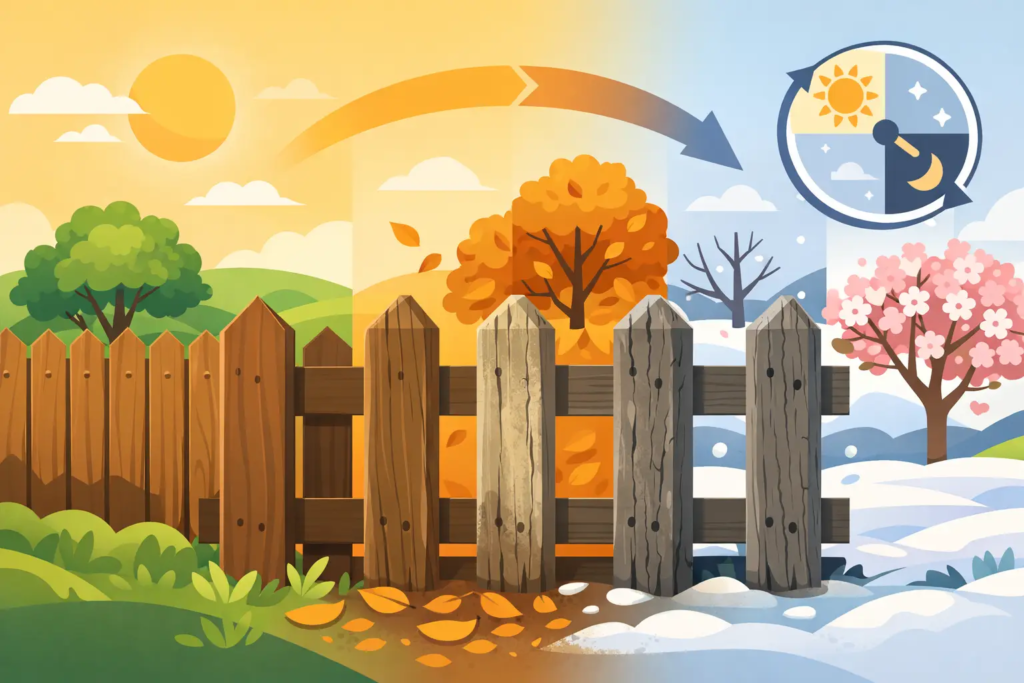
A wood fence can look solid for years, then begin showing problems at the bottom of the posts, along the rails, or around a gate. For property owners asking, “how long does a wood fence last,” the honest answer is usually 15 to 20 years – but the material, installation quality, maintenance, and local weather can move that number significantly.
In the Houston-area climate, heat, humidity, heavy rain, insects, and hurricane-season winds all put pressure on exterior wood. A properly designed and professionally installed fence can provide dependable privacy, security, and curb appeal through those conditions. A fence built with undersized materials, poorly set posts, or untreated lumber may need substantial repairs much sooner.
How Long Does a Wood Fence Last in Texas?
Most well-built wood privacy fences last about 15 to 20 years. With consistent care and favorable conditions, some can remain serviceable for 20 to 25 years. On the other end of the range, neglected fencing or fencing built with lower-grade materials may begin failing in 7 to 10 years.
The posts usually determine the fence’s true lifespan. Fence pickets can be replaced individually when they split, warp, or rot. Once several posts are loose, leaning, or decayed below grade, repairs become more involved. At that point, a property owner must weigh the value of repeated repairs against a replacement that restores the entire perimeter’s strength and appearance.
Wood species and treatment make a meaningful difference. Pressure-treated pine is a common and practical choice for Texas fences because it is available, cost-effective, and designed to resist moisture and insect damage. Cedar offers natural resistance to rot and insects, along with a distinctive appearance, but it generally comes at a higher initial cost. Neither material is maintenance-free, particularly where prolonged humidity keeps the fence damp.
What Has the Biggest Effect on Fence Lifespan?
A wood fence is not just a row of pickets. It is a structural system of posts, rails, fasteners, gates, and footings. One weak component can affect the performance of the entire fence.
Installation Quality Starts Below Ground
Posts need appropriate depth, spacing, and support for the fence height, soil conditions, and wind exposure. In coastal and storm-prone parts of the greater Houston area, shallow or poorly secured posts can shift as soil becomes saturated. A leaning fence is not always caused by old wood. It can be the result of inadequate post installation from the start.
Professional installation also accounts for drainage and layout. Keeping fence boards from sitting directly on the ground reduces moisture exposure and helps prevent premature rot. Properly built gates require reinforced posts and correctly aligned hardware so the gate does not sag or pull on the surrounding fence section.
Moisture Is the Main Enemy
Wood can handle rain, but it cannot stay wet indefinitely without consequences. Constant contact with wet soil, standing water near the fence line, sprinkler overspray, and vines that trap moisture can all speed up deterioration.
Look closely at the lower few inches of pickets and at post bases. Soft wood, dark staining, crumbling edges, or a screwdriver that easily sinks into the surface can point to rot. Clearing vegetation, correcting drainage issues, and avoiding direct sprinkler spray are simple steps that can extend the life of a fence.
Sun, Heat, and Humidity Create a Tough Combination
Texas sun dries exposed wood quickly. That sounds helpful after rain, but repeated wet-dry cycles can cause boards to shrink, crack, cup, and warp. Humidity adds another challenge by increasing the time wood stays damp after storms.
A quality exterior stain or sealant helps reduce water absorption and sun damage. It will not make a fence permanent, but it can preserve the wood’s condition and color while making routine cleaning easier. The right schedule depends on the product, the fence’s exposure, and the wood itself, though many fences benefit from inspection and reapplication every two to three years.
Insects and Hardware Matter, Too
Termites and other wood-destroying insects can damage a fence, especially where posts and debris remain in contact with soil. Regular inspections are worthwhile if there are signs of insect activity near the home, landscaping, or fence line.
Fasteners also deserve attention. Rusted nails and screws loosen as wood expands and contracts. Using quality exterior-rated hardware helps rails and pickets stay secure longer. If a fence has many popped nails, loose rails, or corroded gate hinges, targeted repairs can often prevent a minor issue from becoming structural damage.
Signs Your Wood Fence Needs Repair or Replacement
Not every weathered fence needs to be torn down. Surface fading, a few cracked pickets, or a loose cap board are normal maintenance concerns. Replacement becomes more practical when damage is widespread or the structure no longer performs its primary job.
Consider a professional evaluation when you notice:
- Multiple leaning or rotted posts
- Fence sections pulling apart from the rails
- Widespread rot at the bottom of pickets or posts
- A gate that no longer closes or latches correctly
- Repeated storm damage in the same weak areas
A repair is often the right answer when the damage is localized and the remaining posts and rails are sound. Replacing a few pickets, resetting one post, rebuilding a gate, or securing a damaged panel can restore function without replacing the full fence.
Full replacement may offer better long-term value when the fence has reached the end of its service life across several sections. It also gives property owners an opportunity to improve privacy height, select a different wood style, add a custom gate, or strengthen the design for the way the property is used today.
How to Help a Wood Fence Last Longer
Routine attention does more for fence longevity than waiting for visible failure. Walk the fence line after major storms and at least once or twice a year. Check for leaning posts, loose boards, standing water, and branches rubbing against the fence. Addressing those issues early protects the stronger sections from being stressed by the weaker ones.
Keep leaves, mulch, and soil from building up at the base of the fence. Trim shrubs and vines back so air can circulate around the wood. If the fence is near irrigation, adjust sprinkler heads to limit daily soaking. These small steps are especially useful in humid areas where moisture does not evaporate quickly.
Cleaning also matters. A gentle wash can remove mildew, dirt, and surface buildup before staining or sealing. Avoid aggressive pressure washing that scars the wood or forces water deeper into the grain. Once the fence has dried thoroughly, use a quality product suitable for exterior wood and follow the manufacturer’s application requirements.
Finally, do not overlook the gate. Gates experience more movement than any other part of a fence. Lubricate hinges when needed, keep the latch aligned, and repair sagging before it places extra strain on the posts. A well-built gate should feel secure and operate smoothly, not drag across the ground or require force to close.
Choosing a Fence Built for the Long Term
The longest-lasting wood fence is one that matches the property. A backyard privacy fence has different needs than a perimeter fence for a commercial site, a ranch entrance, or a property with frequent vehicle access. Height, wind exposure, gate width, soil conditions, and the desired level of privacy should all shape the design.
Quality materials matter, but craftsmanship matters just as much. Straight layout, properly set posts, secure rails, durable fasteners, and thoughtful gate construction create a fence that looks finished on day one and stays dependable over time. Delta Fence and Construction helps property owners in League City, Friendswood, and Clear Lake choose and build wood fencing that serves both practical needs and the character of the property.
A wood fence will eventually need care, and one day it will need replacement. The goal is not to avoid that reality. It is to make sure every year between installation and replacement delivers the privacy, security, and appearance your property deserves.