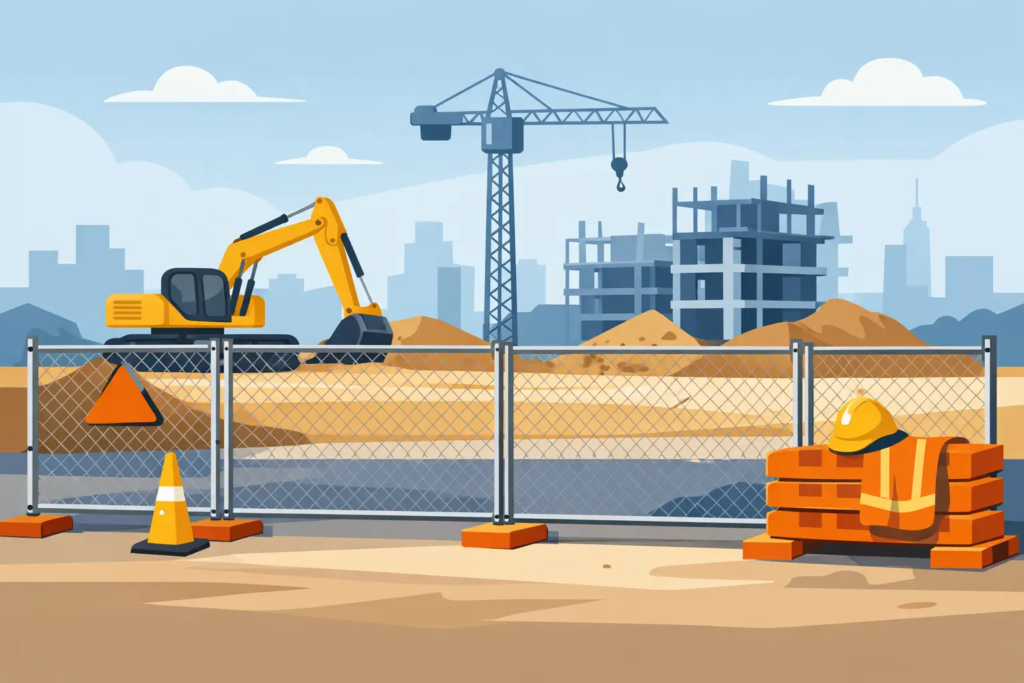
A construction site can change quickly: materials arrive before crews do, excavation opens up a hazard, or a partially completed structure becomes visible from the street. Temporary fence rental for construction gives the project a defined, controlled perimeter from the first day of work through final cleanup. It helps protect people, equipment, and property while presenting a more professional site to neighbors, clients, and inspectors.
For contractors, developers, and commercial property managers, temporary fencing is not an afterthought. The right layout supports daily operations without blocking deliveries, access routes, or emergency entry. The wrong setup can create gaps in security, slow down crews, and require costly adjustments after the project is already underway.
Why Temporary Fencing Matters on Active Jobsites
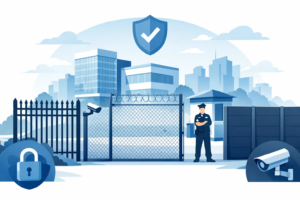
Construction sites attract attention, especially after hours. Tools, lumber, machinery, wire, and other materials may be exposed before permanent doors, gates, or perimeter fencing are in place. A clearly installed temporary fence creates a physical and visual boundary that discourages unauthorized entry and helps reduce opportunities for theft or vandalism.
Safety is just as important. Open trenches, uneven ground, stored materials, and active equipment can create real risks for visitors or passersby who enter a site without permission. Temporary fencing separates the work zone from sidewalks, neighboring properties, parking areas, and occupied portions of a commercial site. It also gives project managers a clear point for posting required safety notices and site rules.
A fenced perimeter can improve jobsite organization, too. When there is one controlled vehicle entrance and a designated pedestrian gate, crews know where to enter, deliveries have a predictable route, and site traffic is easier to manage. On projects in League City, Friendswood, and Clear Lake, this can be particularly valuable where construction sits close to homes, busy roads, schools, or operating businesses.
Choosing Temporary Fence Rental for Construction
The best temporary fence rental for construction depends on the site, the project duration, and the level of security required. Standard freestanding chain link panels are a practical option for many short-term projects because they install quickly, can be reconfigured as the job evolves, and provide clear visibility across the site.
Panel height matters. A taller fence creates a stronger visual deterrent and makes access more difficult, while a lower barrier may be sufficient for a short project with limited public exposure. Consider the items stored on site, whether the work area is accessible from a public street, and whether nearby properties create potential entry points.
The ground conditions also shape the right approach. Flat, stable surfaces make panel placement straightforward. Uneven soil, slopes, soft ground, curbs, and paved surfaces may require different base supports, bracing, or anchoring methods. A fencing contractor should evaluate those conditions before installation rather than forcing a standard layout onto a site that needs a tailored plan.
Access is another decision that deserves attention early. A jobsite often needs more than one opening. Crew members may need a walk-through gate, while dump trucks, material suppliers, and equipment operators need a wider vehicle gate. The gate should be large enough for the largest anticipated delivery, positioned to avoid backing into traffic when possible, and secured when the site is closed.
For higher-visibility or higher-risk sites, privacy screening can be added to chain link panels. Screening limits public views of materials and work activity, reduces windblown debris in some situations, and gives the site a more finished appearance. There is a trade-off: privacy fabric can increase wind load, so proper bracing becomes especially important in exposed areas.
Plan the Perimeter Before Panels Arrive
A temporary fence works best when it is part of the site plan, not a last-minute response after materials are delivered. Start by identifying the true work zone, including staging areas, storage, dumpsters, portable restrooms, equipment parking, and any area where excavation or demolition will occur. Fencing only the building footprint often leaves the most valuable materials outside the protected perimeter.
Next, identify where people and vehicles must move. Keep truck entrances clear of street corners, sightlines, fire lanes, and neighboring driveways. If the project occupies only part of a larger property, use fencing to separate active construction from customers, tenants, or employees who still need safe access to the building.
The perimeter should also account for changing phases of construction. A small renovation may need an expanded delivery area for only a few days. A new build may require fence adjustments as grading, utility work, framing, and exterior finishes progress. Renting temporary panels makes these changes more manageable, but they still require coordination so the site is never left open during a transition.
Before installation, confirm local requirements, permit conditions, neighborhood rules, and jobsite safety obligations that may apply. Requirements can vary based on the property type, road frontage, work scope, and whether the fence affects pedestrian routes. Temporary fencing supports a safer site, but it should be installed as part of a broader safety and compliance plan.
What a Reliable Rental Setup Should Include
A rental quote should do more than state a number of panels and a weekly rate. It should clearly address delivery, installation, gate configuration, bracing, pickup, and the process for making changes during the project. These details affect both the actual cost and the day-to-day usefulness of the fence.
Ask how the fence will be stabilized. Freestanding panels typically use bases and, where needed, braces or anchors. The installation method should reflect expected wind exposure, ground conditions, panel height, and privacy screening. A fence that looks secure on a calm day may become unstable during a Gulf Coast storm if it has not been properly supported.
It is also wise to establish who will monitor the perimeter. Temporary fencing can be moved by high winds, delivery drivers, or unauthorized visitors. A designated site contact should report loose panels, damaged gates, or changes needed for upcoming work. Fast repairs help preserve the security and safety benefits that prompted the rental in the first place.
Weather, Security, and the Real-World Trade-Offs
Temporary fence panels are designed for flexibility, but flexibility comes with limits. Heavy rain can soften soil around a site. Strong winds can affect panels, particularly when privacy screening is attached. Construction traffic can shift base supports or damage a gate if vehicles are routed too tightly through an opening.
That does not mean every project needs the most intensive setup. A brief interior renovation with limited outdoor storage may need only a small, straightforward perimeter. A long-term commercial build with expensive equipment, public exposure, and multiple delivery points needs more planning, stronger support, and a gate strategy that matches site activity.
Security also extends beyond the fence itself. Lock gates consistently, avoid stacking climbable materials against the perimeter, keep lighting in working order, and move high-value tools into secure storage when possible. Fencing establishes the boundary, while good site practices make that boundary more effective.
Schedule Installation Around the Project, Not After It Starts
Temporary fencing should be installed before equipment, materials, or hazardous work areas are exposed. Scheduling it early protects the first delivery and avoids the scramble of trying to secure a site after crews are already active. It also gives the installer time to walk the property, confirm gate locations, and address site-specific challenges.
At the end of the job, plan removal around final inspections, punch-list work, landscaping, and remaining materials. Taking down the fence too soon can leave a nearly finished property vulnerable. Keeping it too long can interfere with final access and curb appeal. The right removal date is usually tied to when the site is truly clear and ready to return to normal use.
Delta Fence and Construction approaches temporary fencing with the same practical attention given to permanent perimeter projects: clear access, dependable materials, secure installation, and a layout that supports the work being done. A well-planned temporary fence lets the project move forward with fewer distractions and leaves the site looking controlled from start to finish.