A fence rarely fails all at once. A gate starts dragging across the ground, one section begins to lean after heavy rain, or a few loose pickets create an opening that was not there last season. These are the moments when residential fence repair services can protect more than the fence itself. Timely repairs help preserve privacy, improve security, maintain curb appeal, and prevent a manageable issue from becoming a full replacement project.
For homeowners in League City, Friendswood, and Clear Lake, Texas weather adds another layer of pressure. Heat, humidity, driving rain, shifting soil, and storm winds can wear down wood, metal, hardware, and concrete footings. Knowing what to watch for helps you make a practical repair decision before your property boundary loses its strength or appearance.
Signs Your Fence Needs Professional Attention
A damaged fence is not always an emergency, but it should not be ignored simply because it is still standing. The most common warning sign is a leaning post. Posts carry the load of every panel, rail, and gate attached to them. When one moves because of rot, soil movement, a failed footing, or storm damage, the surrounding sections can begin to pull out of alignment.
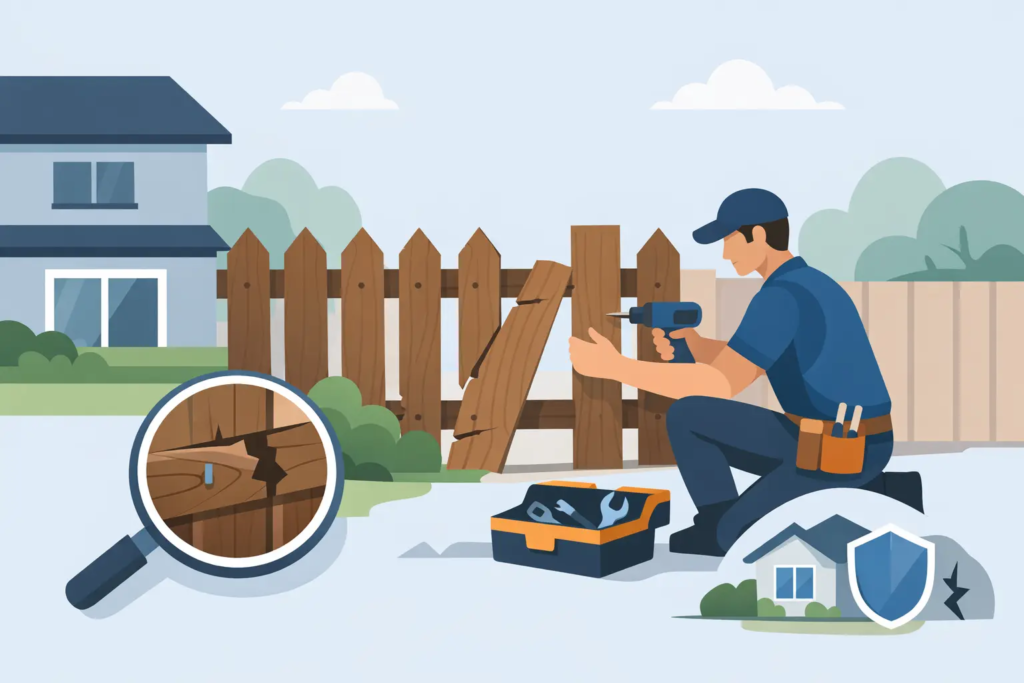
Loose, cracked, missing, or warped boards are another clear concern on wood privacy fences. Individual pickets can often be replaced, but widespread warping may point to poor drainage, aging material, or structural stress in the rails and posts behind them. A professional assessment distinguishes a surface-level fix from a repair that needs deeper support work.
Gates deserve prompt attention as well. A gate that sags, sticks, will not latch, or drags over concrete or grass creates a daily inconvenience and a security gap. In many cases, the gate itself is not the only problem. Hinge posts may be shifting, hardware may be undersized, or the frame may no longer be square. Correcting the underlying cause keeps the repair from becoming a repeat service call.
Other issues worth addressing include rust on metal fencing, loose chain link fabric, damaged caps, broken rails, gaps beneath the fence, and impact damage from vehicles, lawn equipment, or fallen limbs. Small openings can matter when children, pets, or backyard access are part of the equation.
What Residential Fence Repair Services Should Address
Quality residential fence repair services begin with the full structure, not just the visible damage. Replacing a broken board is useful only if the rail behind it is sound and the post is stable. Repair work should consider the condition of the materials, the alignment of the fence line, drainage around the posts, the weight placed on gates, and how the repaired section connects to the rest of the boundary.
For a wood fence, repairs may include resetting or replacing posts, installing new rails, replacing damaged pickets, reinforcing gates, and matching sections as closely as possible to the existing design. Wood can offer excellent privacy and a warm, traditional appearance, but it needs sound structural support to withstand Gulf Coast weather.
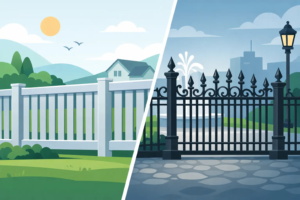
Metal, aluminum, wrought iron, and chain link fences have different repair needs. Rusted or bent components may require replacement, while loose fittings, damaged fabric, and misaligned gates can often be corrected without rebuilding an entire run. Aluminum fencing is generally resistant to corrosion, but a hard impact can still bend a panel or shift a post. Wrought iron requires attention to rust control and secure welding or fastening when decorative elements or structural sections are compromised.
Brick perimeter walls and masonry fence features also need experienced evaluation. A crack may be cosmetic, or it may reflect settling beneath the structure. Repairing the finish without addressing movement can leave the wall vulnerable to further damage.
Repair or Replacement: How to Decide
The right choice depends on the age of the fence, the extent of the damage, and whether the posts and framework remain dependable. If a newer fence has one damaged panel from a storm or impact, a targeted repair is usually the sensible option. It restores function without paying for materials that do not need replacement.
Replacement becomes more practical when damage appears throughout the fence line. Multiple rotted posts, recurring gate failures, widespread wood deterioration, or sections that no longer align may indicate that the structure has reached the end of its useful life. Repairing one weak area after another can cost more over time and leave the property with an uneven appearance.
There is also a design consideration. A homeowner may choose replacement not because every part has failed, but because the current fence no longer delivers the privacy, security, or style the property needs. Upgrading from worn wood to a custom privacy fence, ornamental metal fence, or a better-designed gate can be an investment in both daily use and property presentation.
Why Posts and Gates Require Extra Care
Posts are the foundation of a fence. A straight panel attached to an unstable post will eventually lean, separate, or fail. In Houston-area soils, moisture changes can affect the ground around footings, especially where drainage is poor. Wood posts can also decay below grade, where damage is not obvious until the fence begins to move.
A proper post repair may involve removing the damaged post, evaluating adjacent sections, setting a replacement at the correct depth, and securing it in a stable footing. The goal is not simply to make the fence look straight on the day of repair. It is to restore the support needed for changing weather and regular use.
Gates place concentrated stress on their posts and hardware every time they open. A larger driveway gate, double gate, or custom entry gate may need reinforced framing, heavy-duty hinges, latches, and properly positioned posts. Quick adjustments can help in some situations, but a sagging gate caused by a weak support post needs a structural repair to operate reliably.
Preventing Repeat Fence Damage
No fence is maintenance-free, but routine attention can extend its useful life and reduce unexpected repairs. Keep soil and mulch from building up against wood boards and posts, since trapped moisture encourages rot. Trim back shrubs, vines, and tree limbs that hold moisture against the fence or add pressure during windstorms.
Check gates periodically for loose screws, worn hinges, latch problems, and changes in swing. Addressing hardware early can prevent damage to the gate frame and support posts. After major storms, walk the fence line and look for leaning sections, loose caps, new gaps, and branches resting against the structure.
For wood fences, appropriate cleaning and protective finishes can help reduce weathering. The right maintenance schedule depends on the wood type, sun exposure, drainage, and condition of the existing finish. Metal fencing benefits from early rust treatment and touch-up protection before corrosion spreads beneath the coating.
Avoid attaching heavy items to a fence unless it was designed to carry them. Planters, decorative fixtures, sports equipment, and even dense climbing plants can add weight that rails and posts were never intended to support.
Choosing a Fence Contractor for Repairs
Fence repair is skilled work because it combines material knowledge, site conditions, layout, and practical construction. A dependable contractor should inspect the cause of the damage, explain whether repair or replacement makes better financial sense, and recommend materials that fit the existing fence and the way you use your property.
Clear communication matters. Homeowners should understand what will be repaired, whether color and material matching is possible, how gate alignment will be handled, and whether nearby posts or panels may need attention. Exact matches are not always available for older fencing, particularly weathered wood or discontinued metal styles. A good contractor will discuss that trade-off upfront and work toward a clean, cohesive result.
Delta Fence and Construction approaches repairs with the same attention to workmanship used for custom fence and gate projects. The objective is a boundary that looks right, functions reliably, and supports the privacy and security your home deserves.
When a post leans, a gate stops latching, or storm damage changes the condition of your fence, acting early gives you more options. A well-planned repair can restore confidence in your property line and help your fence continue doing its job for years to come.