A gate that is difficult to operate eventually gets left open. A fence line without a clear entry plan can create weak points even when the material itself is strong. That is why access control trends matter to property owners: security is no longer only about building a boundary. It is about deciding who can enter, when they can enter, and how that entry is managed without creating daily inconvenience.
For homeowners, businesses, ranches, and managed properties, the most useful upgrades combine a well-built fence or gate with practical control at the entrance. The right choice depends on traffic volume, the level of security required, available power, and how much flexibility the property owner needs.
Access Control Trends Moving Beyond Keys
Traditional keyed locks still have a place, particularly on low-traffic side gates and storage areas. They are affordable, familiar, and easy to replace. Their limitation is accountability. When several people need access, keys are copied, misplaced, or never returned after a tenant, employee, contractor, or service provider leaves.
Keypads and coded entry systems remain a popular step up. A homeowner can provide a temporary code to a dog walker or contractor instead of handing over a physical key. A business can assign different codes to employees, vendors, and after-hours crews. When access changes, the code can be changed without replacing hardware.
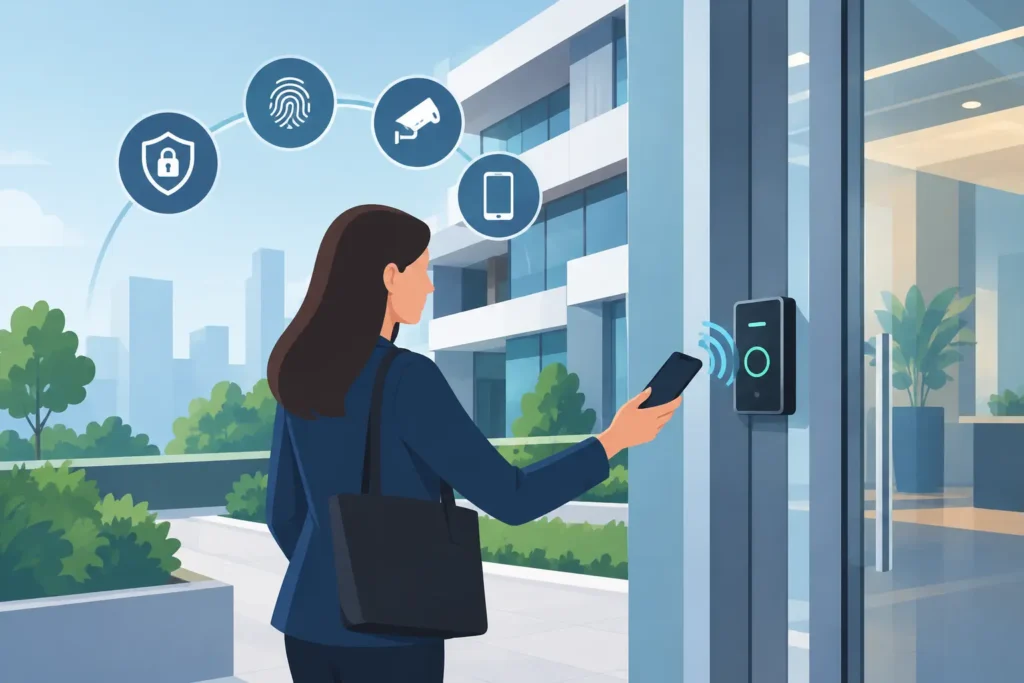
The current shift is toward systems that allow credentials to be managed more precisely. These may include keypad codes, key fobs, card readers, mobile credentials, or a combination of methods. The practical benefit is control over access without making everyday use harder for authorized people.
For a commercial site, that can mean allowing a delivery company through a vehicle gate during scheduled hours while keeping the property closed at night. For a residential community or rental property, it may mean removing a former resident’s access immediately instead of collecting every key and remote. The technology is useful, but it should support a sound gate and perimeter design rather than serve as a substitute for one.
Mobile Access Is Growing, but It Is Not Right for Every Gate
Mobile phone-based access is one of the most visible changes in gate control. Depending on the system, a user may open a gate through an app, Bluetooth connection, call box, or remote management platform. This can be especially helpful for owners who manage multiple properties or need to grant access while away from the site.
Mobile access works best when the people using it are comfortable with the technology and have reliable phone service at the entrance. It may be a good fit for a commercial property, office yard, multifamily community, or a homeowner who frequently receives service providers.
It is not automatically the best solution for every location. Ranch entrances, remote sites, and older users may benefit from a system with a keypad, remote, or manual backup. Phone access also depends on power and connectivity, so a dependable installation plan includes a way to operate the gate when conditions are less than ideal.
The Fence and Gate Are Still the Foundation
An advanced opener cannot correct a sagging gate, undersized posts, poor drainage, or a layout that leaves an easy route around the perimeter. Access control begins with the physical structure. The gate must be sized for the vehicles and equipment that will use it, supported by appropriate posts, and built to handle its own weight over time.
This is especially important on Houston-area properties, where heavy rain, wet soil, heat, and regular use can expose weak construction quickly. A driveway gate that binds after a storm or drags across the drive is more than an inconvenience. It can discourage proper use and create expensive repair needs.
Material selection matters as well. Ornamental iron and aluminum can provide a clean, open appearance for homes and commercial entrances where visibility is valued. Chain link with privacy slats or screening can be practical for service yards and secured equipment areas. Wood privacy fencing may suit a backyard, while steel-framed gates can add the strength needed for larger openings. Farm and ranch fencing requires a different approach, often balancing containment, vehicle access, and the demands of livestock or equipment.
A custom gate should match the fence line in both appearance and function. For example, a decorative entry gate needs enough clearance and dependable hardware to operate correctly, while a rear service gate may need a simpler, tougher design that can withstand frequent truck traffic.
Video Verification at the Entrance
Another major access control trend is pairing entry systems with cameras, video intercoms, or call boxes. Instead of opening a gate based only on a voice or a code, an owner, manager, or employee can verify who is requesting entry.
For homeowners, video verification can be useful at a front pedestrian gate or driveway entrance. For businesses, it can help staff confirm deliveries, visitors, and vendors before releasing a vehicle gate. It also creates a clearer record of activity when paired with an appropriate security system.
Placement is critical. A camera needs a useful view of the visitor, the gate opening area, and approaching vehicles without being blocked by landscaping, fence posts, or direct glare. It should be mounted where it is protected from damage but still accessible for service. The access equipment, gate operator, and fencing should be planned together, not added in separate stages without considering how each part will work.
Controlled Access Must Still Allow Safe Exit
Security should never interfere with safe egress. Vehicle gates need appropriate safety devices, including sensors and entrapment protection suited to the operator and site. Pedestrian paths should be considered carefully as well. People should not be forced to squeeze around a moving gate or use an unsafe shortcut because the entrance was designed only for vehicles.
Emergency access is another consideration. Fire, medical, and utility personnel may need a reliable way to enter, depending on the property and local requirements. Commercial properties, communities, and large rural parcels often require more coordination than a single-family driveway gate.
Power outages and equipment failures also deserve attention before installation. Some properties benefit from battery backup, solar power, manual release hardware, or a combination of these options. Solar-powered operators can be practical where trenching electrical service is difficult, but panel location, sun exposure, battery capacity, and gate usage all affect performance. A solar operator that is undersized for a heavily used gate will not deliver the reliability the property needs.
Choosing Access Control Based on the Property
The best access control plan is rarely the one with the most features. It is the one that fits the way the property actually operates.
A homeowner may need a privacy fence, a driveway gate, and a keypad that gives regular visitors controlled entry. A business may need a commercial-grade slide gate, scheduled credentials, camera verification, and a separate pedestrian entrance for employees. A ranch owner may prioritize a wide, durable gate for trailers and equipment, with dependable access that works even when cellular service is limited.
Property managers often face a different challenge: access changes frequently. Systems that allow codes or credentials to be removed quickly can reduce the burden of key management. However, they also need hardware that can withstand constant daily use. The entry point should be designed for the traffic it will receive, not only for how it looks on installation day.
Before choosing a system, consider four practical questions: Who needs access? How often will the gate be used? What happens when power or connectivity fails? And does the fence and gate structure support the level of security being requested? Clear answers will narrow the choices quickly.
Professional Installation Protects the Investment
Access equipment involves moving parts, electrical components, safety requirements, and structural demands. Installation quality affects how long the system lasts and how safely it operates. Proper post setting, gate alignment, hinges or rollers, operator selection, wiring protection, and drainage all contribute to reliable performance.
Maintenance should be part of the plan from the beginning. Gates need periodic inspection for alignment, hardware wear, obstruction issues, and damage from vehicles or weather. Access codes and user permissions should be reviewed as staff, tenants, and service relationships change. A small adjustment made early can prevent a larger repair later.
Delta Fence and Construction helps property owners in League City, Friendswood, Clear Lake, and nearby communities build fences and custom gates that support real security needs, not just a checklist of features. Start with the perimeter, the traffic pattern, and the people who need access. From there, the right gate and control system can make the property easier to protect and easier to use.